
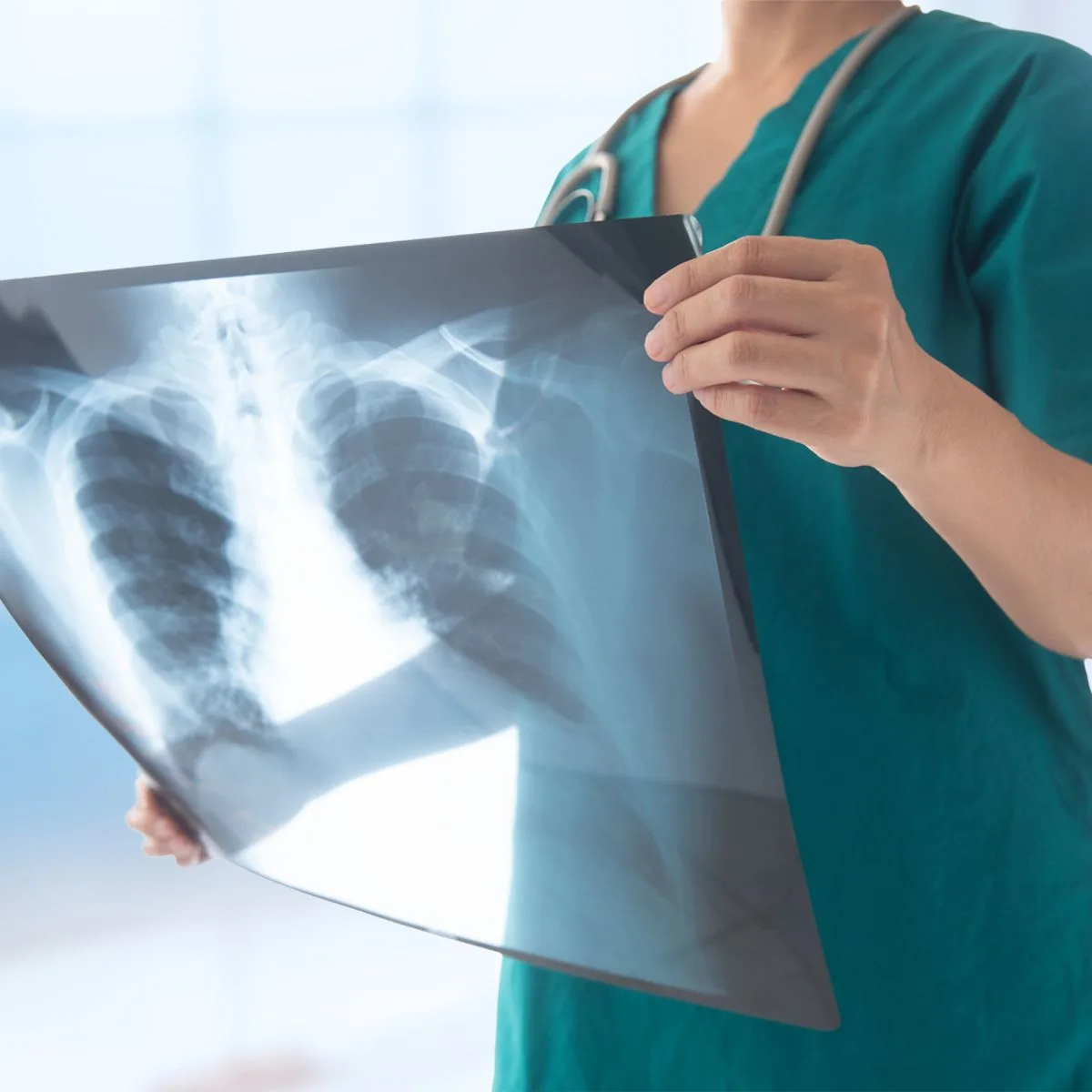
“Is this X-ray really safe?” is one of the most common questions patients ask, and it is a fair one. X-rays do use radiation, so it makes sense to want to know how much and whether it matters. This guide gives you straight answers in plain language, explains how the dose compares to everyday radiation, and describes how an X-ray clinic in Toronto keeps exposure as low as reasonably possible.
The Short Answer
Diagnostic X-rays use a very small dose of radiation, and they are considered safe when they are medically appropriate. According to The Ottawa Hospital, a routine chest X-ray delivers about 0.1 millisieverts (mSv), roughly the same as the natural background radiation you receive over about 10 days. Clinics follow the ALARA principle (As Low As Reasonably Achievable) to keep exposure down. If you are or might be pregnant, tell the technologist before your X-ray. Annex Medical Imaging welcomes walk-in X-rays with a requisition at (416) 531-1128.
What Kind of Radiation Does an X-Ray Use?
An X-ray machine passes a controlled, brief burst of radiation through your body to create an image. Dense tissue such as bone absorbs more of it and looks white. Soft tissue appears in shades of gray, and air-filled areas such as the lungs look dark. This is called ionizing radiation, which is why the amount is carefully controlled. The exposure ends the moment the machine stops. Nothing stays in your body afterward.
Are X-Rays Safe? Putting the Dose in Perspective
Radiation dose is measured in millisieverts (mSv). We are all exposed to radiation from natural sources every day, including cosmic rays, radon and the ground. The Ottawa Hospital notes that most people receive roughly 2 to 3 mSv a year from natural background radiation, and Health Canada gives a similar range for the average Canadian. Here is how a chest X-ray compares:
- Natural background radiation: about 2 to 3 mSv per year
- One routine chest X-ray: about 0.1 mSv, comparable to roughly 10 days of natural background radiation
Doses vary by the part of the body, the size of the patient and the equipment, so these numbers are approximate. If you are curious about the dose for a specific exam, you can ask the technologist or the doctor who ordered it.
Is There Any Risk?
Honestly, yes, but it is very small. Radiation can slightly increase the lifetime chance of cancer, and the effect is related to the total dose over time. That is why doctors order X-rays only when the expected benefit, such as finding a fracture, a pneumonia or a joint problem, outweighs the small risk. For most people with a good medical reason, the benefit of an accurate diagnosis is clearly larger. Rarely, people can react to contrast material when it is used in certain exams. Serious complications from standard X-rays are extremely uncommon.
How a Clinic Keeps Your Dose Low
- The ALARA principle: staff use the lowest dose that still produces a clear, useful image.
- Digital X-ray technology: images are captured and displayed electronically.
- Collimation: the beam is narrowed so it covers only the area being examined.
- Lead protection: shielding such as lead aprons is used where appropriate.
- Dose tailored to you: technologists adjust settings for the patient and the body part.
Pregnancy and X-Rays
If you are pregnant or think you might be, tell the technologist before your X-ray. Do not wait until you are in the exam room. Your care team can decide whether the exam should go ahead, be modified or be replaced by another test. Ultrasound, for example, uses sound waves rather than radiation. You can read about pregnancy scans in our guide to obstetric ultrasound.
When a Radiation-Free Test Can Be an Alternative
Not every question needs an X-ray. Ultrasound uses no ionizing radiation and works well for soft tissues such as organs, tendons and blood vessels. X-rays remain the quickest, most practical way to look at bones, joints and the chest. Your doctor chooses the test that best answers your clinical question. If you are curious why one was chosen over another, see our comparison of ultrasound, X-ray and mammogram.
Before Your X-Ray: A Quick Checklist
- Bring your requisition and Ontario health card.
- Do not wear metal items such as jewelry, and choose comfortable clothing without metal fasteners.
- Tell the technologist if you are or might be pregnant.
- Tell the technologist about any implants or medical devices, such as pacemakers or metal plates.
No fasting or other preparation is needed for a standard X-ray.
X-Rays at Annex Medical Imaging in Toronto
Annex Medical Imaging, at 800 Bathurst St, Unit 304 (3rd floor), across from Bathurst subway station, performs digital X-rays and almost always accepts walk-in X-ray patients with a requisition. Hours are Monday to Friday 9:00 am to 5:00 pm and Saturday 9:00 am to 3:00 pm. Most exams are covered by OHIP with a valid health card and a requisition from an eligible provider. Learn more on our X-ray services page.
Related Reading
- Chest X-Ray
- Bone X-Ray
- Comprehensive Guide to X-Ray Services in Toronto
- Shoulder, Knee & Hip X-Rays: When Your Doctor Might Order One
- Walk-In Diagnostic Imaging in Toronto: How It Works at Annex Medical Imaging
Frequently Asked Questions
How much radiation is in a chest X-ray?
Roughly 0.1 mSv for a routine adult chest X-ray, which The Ottawa Hospital compares to about 10 days of natural background radiation. Exact doses vary.
Does radiation from an X-ray stay in my body?
No. The radiation passes through your body during the brief exposure and does not remain afterward.
Can I get an X-ray if I am pregnant?
Tell the technologist and your doctor before the exam. They can decide whether to go ahead, adjust the exam or use another test.
Can I resume normal activities after an X-ray?
In most cases yes. There are typically no restrictions unless your health care provider gives you specific instructions.
Do I need a requisition for an X-ray?
Yes. Annex needs a requisition from a physician, chiropractor, midwife or nurse practitioner for the exams they are allowed to request. Read more in our guide to requisitions.
Key Takeaways
- A routine chest X-ray is about 0.1 mSv, similar to around 10 days of natural background radiation.
- The risk is small, and doctors order X-rays when the benefit outweighs it.
- Clinics use ALARA, collimation, shielding and tailored settings to keep your dose low.
- Tell the technologist if you are or might be pregnant.
Book Your X-Ray in Toronto
Have a requisition for an X-ray? Contact Annex Medical Imaging at (416) 531-1128, or visit during opening hours. Learn more about X-ray services at Annex Medical Imaging.
This article is for general information only. Radiation figures are approximate and are based on information published by The Ottawa Hospital and Health Canada. It is not medical advice. Please speak with your health care provider about your personal situation.
continue reading
Related Posts
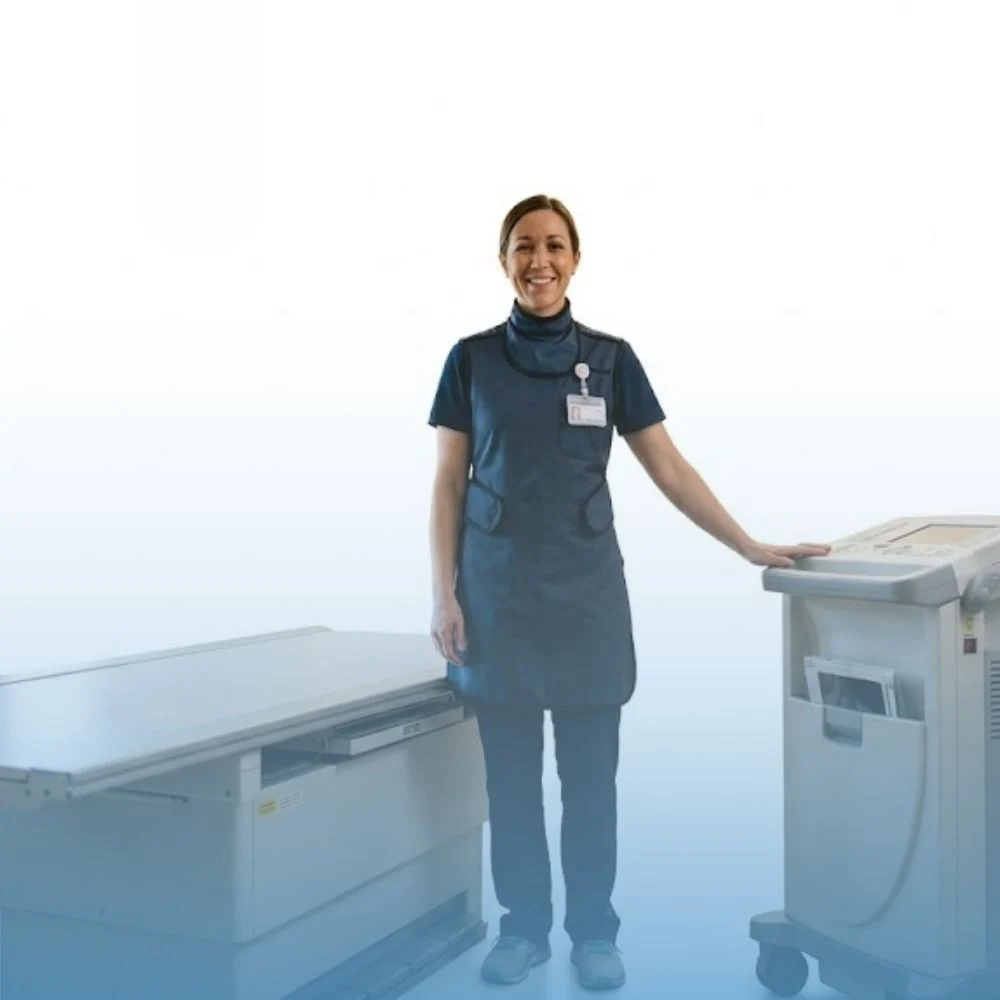
How long do X-ray and ultrasound results take in Toronto? Learn who reads your images, when your doctor gets the report, and what to do while you wait.
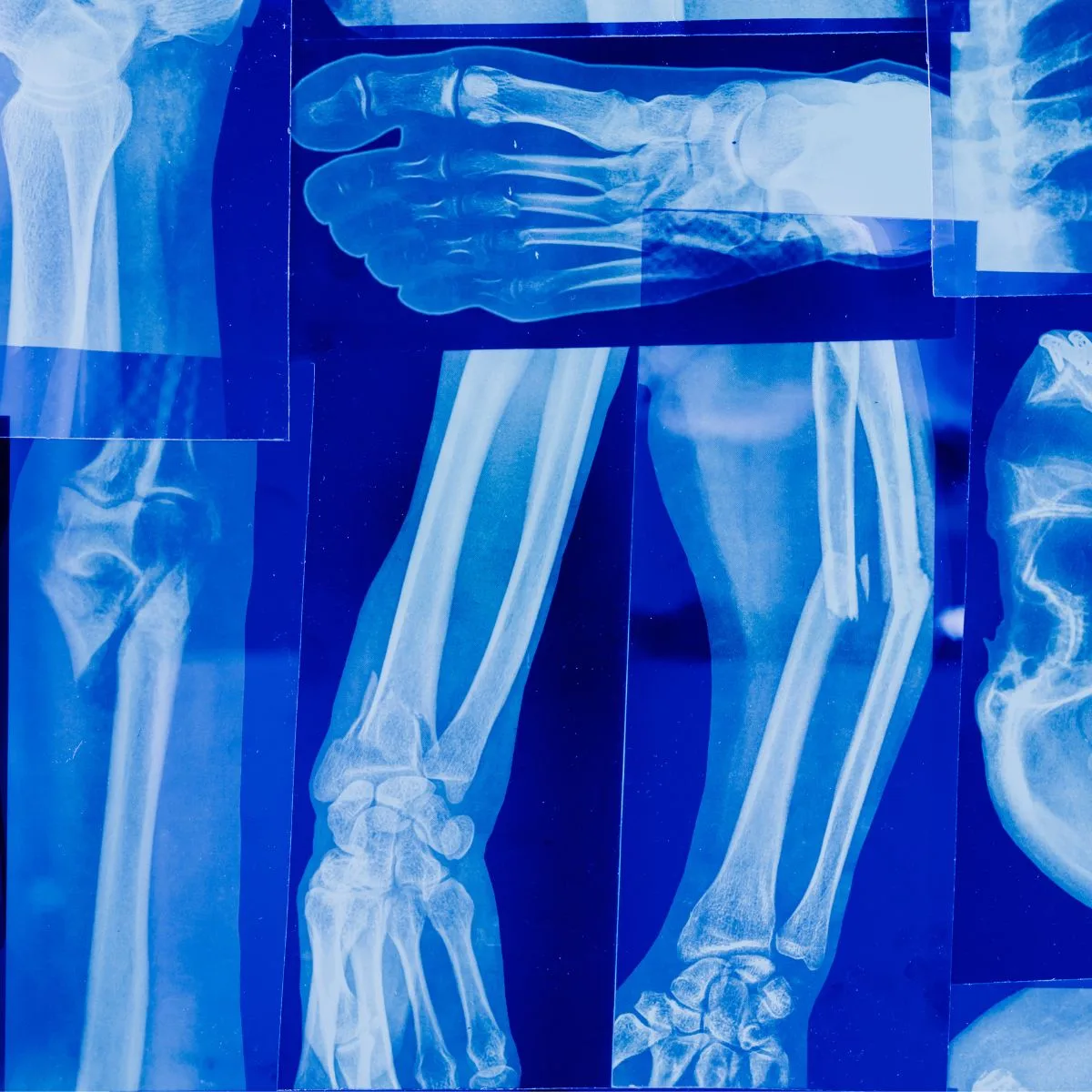
Sprain or fracture? Learn when an ankle, wrist, hand or foot X-ray is needed, when to go to urgent care, and how to get a walk-in X-ray in Toronto.
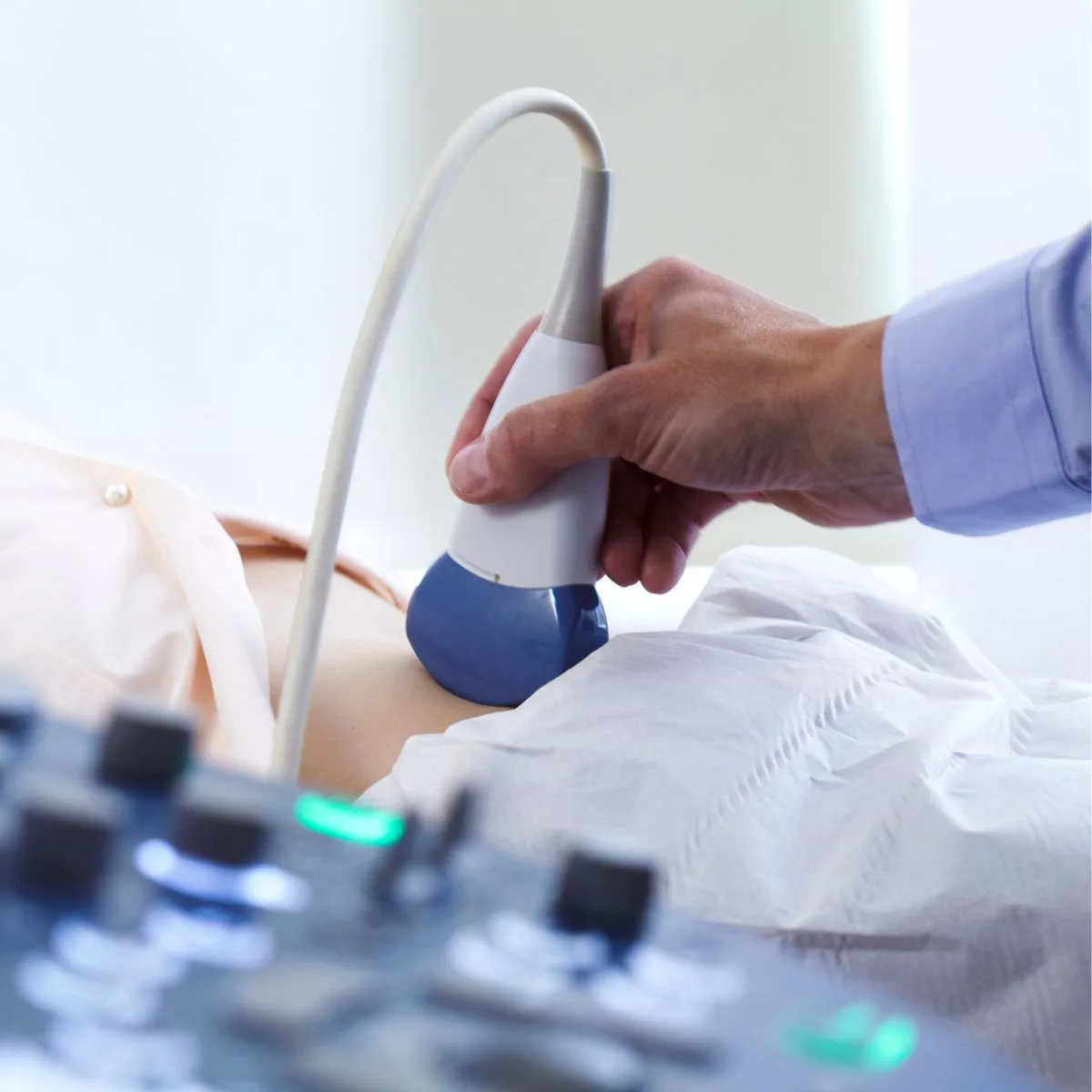
A simple cheat sheet for ultrasound preparation in Toronto: who needs to fast, who needs a full bladder, and the rules for abdominal, pelvic and kidney scans.