
- Women in the age group of 65 and above.
- Men in the age group of 70 and above.
- Women below 65 years who have touched the menopause stage and have a risk for osteoporosis
- Determine whether a patient is a good candidate for a procedure such as angioplasty.
- Individuals who fracture a bone past age 50 or have undergone a height loss of one and a half inches.
- Individuals above 50 years taking drugs associated with bone loss or low bone mass.
Typically, no special preparation is needed. Patients may be asked to avoid taking calcium supplements on the day of the test.
Yes, maintaining a balanced diet rich in calcium and vitamin D, engaging in weight-bearing exercise, and avoiding smoking and excessive alcohol consumption can positively influence bone density.
Yes, bone density can change due to factors like aging, hormonal changes, medication use, and lifestyle modifications, so regular monitoring is often recommended.
While a BMD test is an important tool for assessing fracture risk, it’s just one component. Other factors such as age, history of fractures, and overall health also contribute to fracture risk.
The test typically takes about 10 to 30 minutes, depending on the specific areas being scanned.
Yes, certain medications (such as steroids) and medical conditions (like hyperparathyroidism or hyperthyroidism) can influence bone density, potentially affecting test results.
Low BMD increases the risk of osteoporosis and fractures, which can lead to pain, disability, and reduced quality of life.
Factors such as genetics, age, sex, hormonal levels, nutrition, physical activity, and certain medications can affect BMD.
BMD is typically measured using a dual-energy X-ray absorptiometry (DXA) scan, which provides a T-score comparing bone density to that of a young adult.
Adequate BMD is crucial for maintaining strong bones, reducing the risk of fractures, and supporting overall skeletal health.
Yes, although breast cancer is less common in men, mammograms can be used for breast cancer screening in men with specific risk factors or symptoms.
Mammography is generally safe during pregnancy or breastfeeding if medically necessary, although precautions may be taken to minimize radiation exposure.
While mammography is highly effective, it may not detect all breast cancers, particularly in women with dense breast tissue. Additional imaging or screening methods may be recommended in such cases.
An abnormal result may require further testing, such as additional imaging or a biopsy, to determine if cancer or other breast abnormalities are present.
Mammography involves exposure to low doses of radiation, but the benefits of early cancer detection far outweigh the risks.
The compression of the breast during a mammogram may cause temporary discomfort or mild pain for some women, but it’s usually brief.
The frequency of mammograms depends on individual risk factors and medical guidelines, but typically, women should have them annually or biennially starting at age 40.
Guidelines vary, but generally, women should start getting regular mammograms at age 40 or earlier if they have specific risk factors.
During a mammogram, the breast is compressed between two plates while X-ray images are taken from different angles.
Mammography is vital for early detection of breast cancer, which significantly improves treatment outcomes and survival rates.
Yes, in most cases, you can resume your normal activities immediately after an ultrasound. There are typically no restrictions, and you can go about your day as usual.
The timing of receiving your ultrasound results may vary depending on the healthcare facility and the urgency of your case. In many cases, the sonographer will perform the ultrasound and the images will be interpreted by a radiologist or healthcare provider shortly thereafter. Your healthcare provider will discuss the results with you during a follow-up appointment.
Yes, you can typically bring a friend or family member with you to your ultrasound appointment. They can provide support and comfort during the procedure.
Ultrasound is considered a safe and non-invasive imaging technique with minimal risks. Unlike X-rays and CT scans, ultrasounds do not use radiation. However, there may be rare allergic reactions to ultrasound gel used during the procedure.
The duration of an ultrasound procedure varies depending on the area of the body being examined and the specific type of ultrasound being performed. Generally, ultrasound procedures are relatively quick, typically taking between 15 to 45 minutes.
Yes, it’s important to inform the sonographer about any implants, such as pacemakers or metal implants, as they may interfere with the ultrasound imaging or require special considerations.
Wear comfortable, loose-fitting clothing that allows easy access to the area of the body being examined. You may be asked to change into a hospital gown depending on the specific ultrasound you’re having.
In most cases, you can eat and drink normally before an ultrasound. However, if you’re having an abdominal ultrasound, your healthcare provider may recommend fasting for several hours before the procedure to ensure clear imaging of your organs.
Preparation for an ultrasound depends on the specific type of ultrasound you’re having. In many cases, there is minimal preparation required. You may be asked to fast for a certain period before certain abdominal ultrasounds to improve image quality.
An ultrasound is a non-invasive imaging test that uses sound waves to create pictures of the inside of your body, including organs, tissues, and blood vessels. Your doctor may recommend an ultrasound to diagnose various conditions, such as pregnancy monitoring, abdominal pain, or evaluating organ function.
Yes, in most cases, you can resume your normal activities immediately after an X-ray. There are typically no restrictions, although your healthcare provider may provide specific instructions if needed, such as avoiding heavy lifting or strenuous exercise for a certain period.
The timing of receiving your X-ray results may vary depending on the healthcare facility and the urgency of your case. In many cases, the radiologist will interpret the images shortly after the procedure, and your healthcare provider will discuss the results with you during a follow-up appointment or over the phone.
Yes, you can typically bring a friend or family member with you to your X-ray appointment. They can provide support and assistance, although they may be asked to wait in a designated area during the actual procedure.
Generally, X-rays are safe and associated with minimal risks. However, there may be rare allergic reactions to contrast material used in certain types of X-rays. Additionally, excessive exposure to radiation over time may slightly increase the risk of cancer, although the benefits of diagnostic imaging usually outweigh this risk.
While X-rays do involve exposure to radiation, the amount is typically minimal and considered safe for diagnostic purposes. Radiologists take precautions to minimize radiation exposure, such as using lead aprons and collimators, and they tailor the radiation dose to each patient’s specific needs.
Yes, it’s important to inform the radiologist about any implants or medical devices you have, such as pacemakers or metal plates, as they may interfere with the imaging process or require special considerations.
Wear comfortable clothing without metal fastenings or accessories to ensure clear imaging.
Depending on the type of X-ray, fasting may not be necessary. However, if contrast material is used, you may need to avoid eating or drinking for a certain period before the procedure
Remove any jewelry or clothing with metal fastenings. Inform the healthcare provider if you are pregnant or may be pregnant.
You have to call us at least 24 hours before your appointment to cancel or reschedule your time. So, we will have enough time to change the schedule or fill the spot with other patients who are waiting for an earlier appointment.
Every exam here is under OHIP coverage(except a few exams) and you don’t need to pay anything as long as you have a valid Health Card and a requisition from a physician, Chiropractor, Midwife or Nurse Practitioner with the exams they are allowed to request. Please don’t forget to bring your Health Card with you when you are coming to book or do the exam.
Usually it will take 3-5 business days for your doctors to receive the reports but we always try to send them as early as possible. If there is any urgent matter or if your physician asked for an urgent report it will fax to your doctor in 24 hours.
We almost always accept walk-in patients for X-rays. For ultrasound we will accept walk-ins if we have any spot available so it is preferred to call us at 416-531-1128 before you come to the office to be sure that we have enough time to accomodate you. You will not be waiting for a long time here if we know when you are coming too. Read our full walk-in guide for details on hours, what to bring, and which exams work best without an appointment.
Yes, you can email it to reception@annexmedicalimaging.
Yes, we accept the PDF format of the requisition form as long as you are able to send it to us through email: reception@annexmedicalimaging.
You could ask your family physician or any walking clinic for a visit and they will give you a requisition form including the exams you need to do.
Yes, we are not able to do any exams without the requisition form or the order from your physician.
Read our full guide on requisition requirements for more detail.
ARTICLES FROM THE ANNEX MEDICAL IMAGING
Patient Education
 1178 words5.9 min read
How long do X-ray and ultrasound results take in Toronto? Learn who reads your images, when your doctor gets the report, and what to do while you wait.
 1307 words6.5 min read
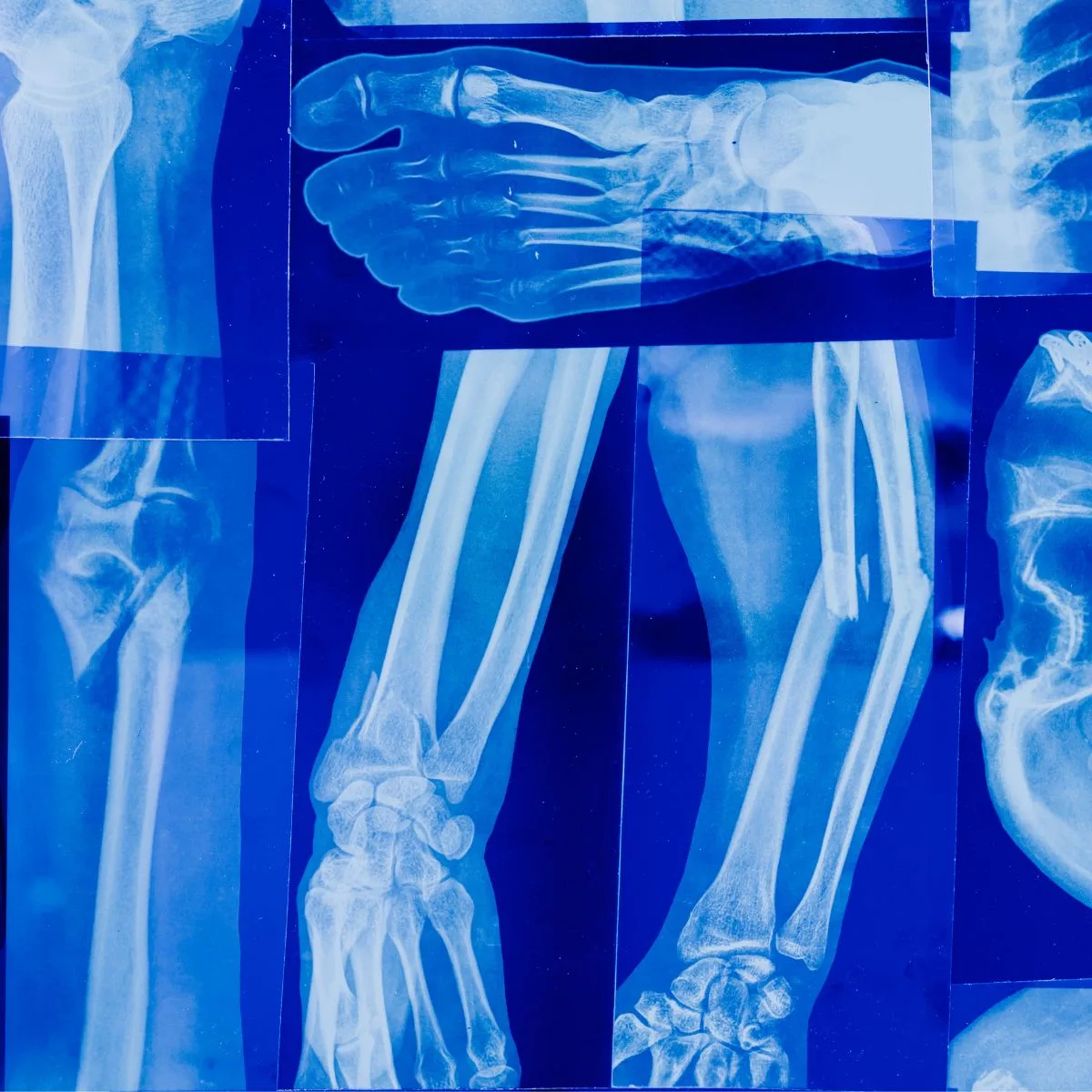
Sprain or fracture? Learn when an ankle, wrist, hand or foot X-ray is needed, when to go to urgent care, and how to get a walk-in X-ray in Toronto.
 1129 words5.6 min read
How much radiation is in an X-ray? Plain-language answers on dose, safety and pregnancy from a walk-in X-ray clinic in Toronto.